Completing season-appropriate autumn home maintenance prepares American houses for freezing temperatures, heavy autumn rainfall, and cold-weather energy demands. This comprehensive autumn home maintenance checklist helps homeowners protect their property before winter sets in. Because over 90% of single-family homes in the United States rely on wood-frame construction, seasonal temperature drops and freeze-thaw cycles create direct structural risks.
When cold weather arrives, exterior moisture trapped in wood framing or masonry expands as it freezes. Unsealed gaps let cold air pull down furnace efficiency, while clogged gutters push water back under roof shingles. Skipping essential autumn home maintenance leads to frozen supply lines, foundation cracks, and unexpected heating failures during winter storms. Completing targeted preventive tasks before the first hard freeze keeps heating bills low and prevents structural water damage. Explore our comprehensive Winter Energy Saving Tips to lower your seasonal energy bills even further, and consult the U.S. Department of Energy Fall & Winter Energy Saving Tips for official guidelines.
Complete Autumn Home Maintenance Checklist
Fall places specific structural stress on wood-frame homes, asphalt roof shingles, and heating equipment. Following a structured autumn home maintenance schedule helps homeowners catch envelope leaks, drainage blockages, and heating issues before freezing weather sets in. Complete these inspections and prep tasks between late September and mid-November.
Heating & HVAC System
Furnace & Heat Pump Tune-Up: Schedule a professional annual tune-up before turning on the heat. Inspect heat exchangers, burners, and electrical connections. Check ductwork for disconnections or air leaks.
HVAC Air Filters: Inspect air filters monthly during continuous heating. Replace fiberglass filters every 30 days and pleated filters every 90 days. Unblock supply registers and return air vents in all rooms.
Safety Detector Checks: Test all smoke and carbon monoxide detectors monthly. Replace 9V batteries annually in all detector units. Review our internal Carbon Monoxide Safety Guide for home standards, and check the CDC Carbon Monoxide Poisoning Prevention Guide for health and safety protocols.
Roof, Gutters & Exterior Envelope
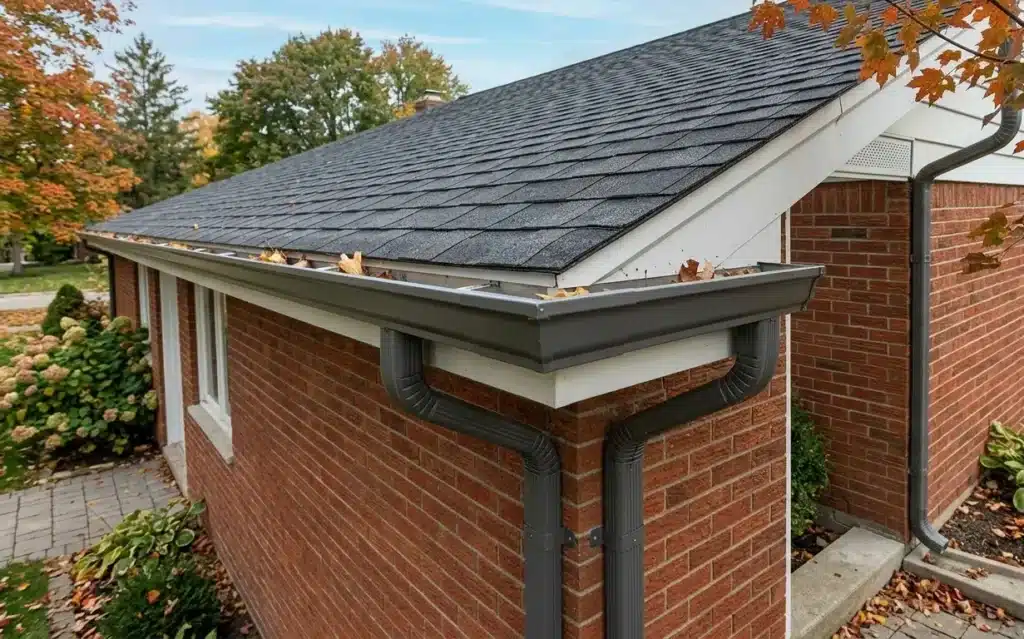
Gutter & Downspout Cleaning
- Clear leaves and twigs twice—once in mid-fall and again after all leaves drop
- Flush gutters with a hose to verify proper downspout drainage
- Extend downspouts 3 to 5 feet away from foundation walls
- Read our complete Gutter Cleaning Guide for step-by-step ladder safety
Roof & Flashing Check
- Inspect asphalt shingles for curling, missing granules, or loose flashings
- Check chimney and vent stack sealants for hairline cracks
- Learn how to spot early warning signs in our Roof Leak Signs manual
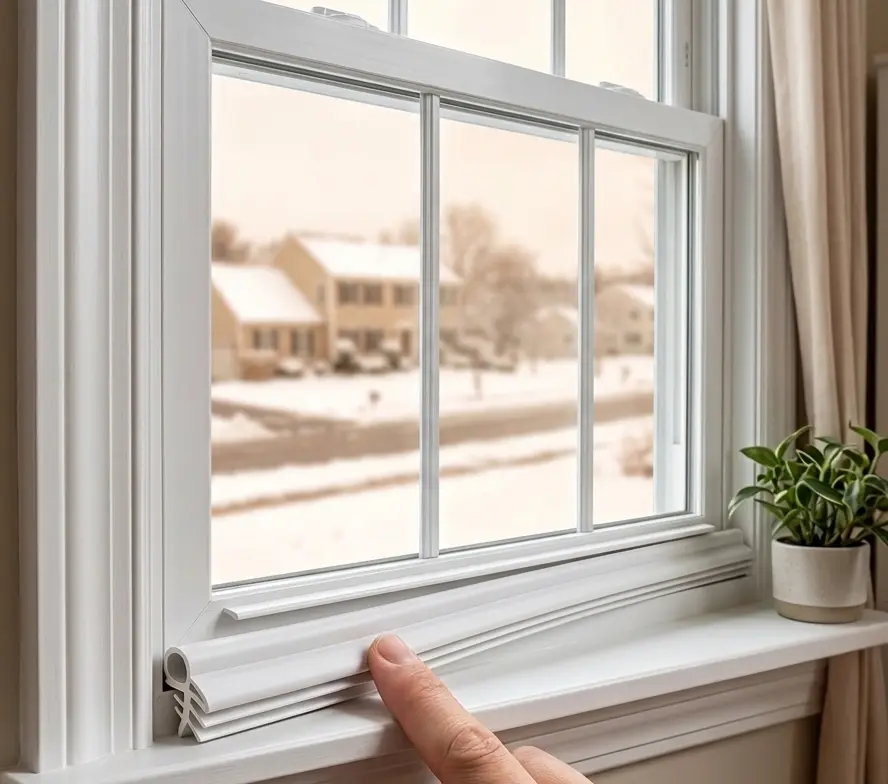
Exterior Weatherstripping & Sealing
- Apply exterior silicone caulk to window gaps wider than 1/16 inch
- Replace worn door sweeps to block cold drafts
- Consult our detailed Home Insulation Guide for window sealing methods
Plumbing & Drainage Winterization
- Outdoor Spigots & Hose Bibbs
- Disconnect and drain garden hoses before night temperatures drop below 32°F (0°C)
- Shut off interior supply valves leading outdoors
- Install insulated foam covers over exterior spigots
- Underground Sprinkler Blowout
- Turn off the main sprinkler supply valve
- Blow out underground lines using an air compressor before ground freezes
- Sump Pump Testing
- Pour 5 gallons of water into the sump basin to test pump activation
- Verify that the check valve prevents backflow into the pit
Chimney, Grounds & Crawl Space
Chimney Sweeping: Hire a certified chimney sweep—verifiable via the Chimney Safety Institute of America (CSIA)—to clear creosote buildup. Inspect the damper for smooth opening and airtight closure.
Tree & Branch Pruning: Cut back overhanging branches within 6 feet of your roofline or driveway. Clear deadwood to prevent ice-load branch breakage.
Pest Perimeter Sealing: Seal foundation cracks larger than 1/4 inch with copper mesh and expanding foam. Keep firewood stacks at least 20 feet away from exterior walls.
Ceiling Fan Direction: Reverse fan blade rotation to clockwise at low speed. Push warm air near ceilings back down into living spaces.
Prevent Crawl Space Moisture and Foundation Hydrostatic Pressure
For homeowners across the Midwest, Northeast, and Mid-Atlantic regions, managing autumn rainwater runoff and crawl space dampness is a core priority of autumn home maintenance.
In autumn, heavy rainfall combined with leaf-clogged gutters dumps thousands of gallons of roof runoff directly alongside foundation walls. Soil saturated with water expands, creating high hydrostatic pressure against basement walls and concrete stem walls. Water seeps through hairline foundation cracks and pipe penetrations into unconditioned crawl spaces. When standing water sits beneath floor joists, relative humidity in the space jumps above 70%, wetting subfloor insulation and rotting wood framing long before winter freeze cycles begin.
Preventing foundation water intrusion requires extending roof runoff paths, maintaining proper ground slope, and sealing exposed soil. Ensure gutter downspouts discharge water at least 5 feet away from foundation walls. Grade surrounding soil to slope downward 6 inches over the first 10 feet from the house, and cover 100% of exposed crawl space dirt with a minimum 10-mil polyethylene vapor barrier, overlapping seams by 12 inches and taping them securely. For full mitigation steps, check our Crawl Space Moisture Guide
and refer to the U.S. EPA Moisture Control Guidance for Buildings.
Average Cost of Autumn Home Maintenance
Understanding expected costs helps homeowners budget for essential repairs versus DIY tasks. Below is a breakdown of average costs for typical autumn maintenance tasks in American homes:
| Maintenance Task | Estimated DIY Cost | Estimated Professional Cost |
| Professional HVAC Tune-up | $20 – $40 (filter replacement) | $100 – $250 |
| Gutter & Downspout Cleaning | $15 – $30 (gutter scoop/hose kit) | $120 – $250 |
| Chimney Inspection & Sweep | $30 – $50 (cleaning brush kit) | $150 – $350 |
| Weatherstripping & Caulking | $20 – $40 (materials) | $40 – $120 |
| Sump Pump Testing & Service | $0 – $15 (testing kit) | $100 – $200 |
| Crawl Space Vapor Barrier | $50 – $150 (vapor barrier roll) | $500 – $1,500 |
| Sprinkler System Blowout | $0 (if owning air compressor) | $75 – $150 |
Autumn Home Maintenance Cost Estimator
Use the interactive calculator below to select your planned autumn tasks and estimate your total maintenance investment for DIY versus professional service.
Autumn Maintenance Cost Estimator
Analysis Result
Estimated Budget Range: $0 – $0
Note: This estimator provides a general planning range based on national average US maintenance service costs. Actual prices vary significantly by geographic location, local contractor rates, property condition, roof pitch, accessibility, and seasonal demand.
Signs Your Home Needs Immediate Autumn Maintenance
Even with a regular autumn home maintenance routine, early fall storms and initial temperature drops can expose hidden envelope and plumbing flaws. Catching early warning signs before sub-freezing weather sets in prevents emergency repairs during peak winter freeze events.
- Musty Basement Odors: Signals rain runoff seeping through foundation wall cracks or displaced vapor barriers.
- Efflorescence on Concrete Walls: White, powdery mineral deposits indicating active water migration through foundation masonry.
- Unexpected Heating Bill Spikes: Unexplained spikes in gas or electricity point to leaking ductwork, inefficient burners, or degraded insulation.
- Cold Spots in Specific Rooms: Disconnected duct joints or crushed flexible ducting in unconditioned crawl spaces.
- Peeling Paint on Exterior Soffits: Clogged gutters forcing rainwater back under roof shingles and rotting fascia boards.
- Soft Spots on Wooden Decks: Water-damaged decking that will freeze, expand, and split under heavy winter snow loads.
Common Autumn Home Maintenance Mistakes
Avoid these operational mistakes when prepping your home for cold weather:
- Leaving Garden Hoses Connected: Trapped water inside connected hoses freezes, expands back into the sillcock pipe, and causes indoor basement pipe bursts.
- Cleaning Gutters Only Once: Clearing gutters in early fall leaves late-dropping foliage in channels, which freezes into solid ice blocks by December.
- Closing Supply Vents in Unused Rooms: Closing more than 20% of home registers increases duct static pressure, causing heat exchanger cracking and blower failure.
- Neglecting Dryer Vent Flappers: Built-up lint holds exterior dryer vent flappers open, allowing freezing air and rodents direct access inside the home.
- Turning Off Heat Entirely During Travel: Setting thermostats below 55°F (13°C) while away risks unexpected pipe freezing during sudden cold snaps.
Autumn Home Maintenance FAQ
How often should I clean gutters during autumn?
Clean your gutters twice during the fall season. Perform the first clearing in mid-autumn when roughly half the leaves have fallen, and the second clearing in late autumn once trees are completely bare. Learn more in our Gutter Cleaning Guide.
What outdoor temperature causes household pipes to freeze?
Uninsulated water pipes run a high risk of freezing when outdoor ambient temperatures drop to 20°F (-6°C) or lower for more than 6 consecutive hours.
Which direction should ceiling fans spin in the fall and winter?
Set ceiling fan motors to run clockwise on the lowest speed setting. This creates a gentle updraft that redistributes warm air trapped near the ceiling back down into the room without creating a cooling breeze.
How thick should attic insulation be for cold climates?
Cold-climate attic spaces require 12 to 15 inches of loose-fill cellulose or fiberglass insulation to achieve an R-value rating between R-38 and R-60. Reference our Home Insulation Guide for detailed R-value maps.
Why does my furnace smell like burning dust when I turn it on?
A burning odor during the first seasonal heating cycle occurs when dust accumulated on the electric heat strips or heat exchanger burns off. The smell should dissipate within 30 to 45 minutes of operation.