
Non-Toxic Nursery Guide: A Baby Nursery Safety Checklist for Furniture, Paint, and Materials
When I painted a room in my home, I noticed a strong odor and developed a headache after spending several hours indoors. I couldn’t say for certain what caused it, but the experience made me curious about indoor air quality, VOC emissions, and the chemicals commonly found in paints and furniture.
The more I researched, the more I realized that many of us focus on how a nursery looks but rarely think about what the products around our children are actually made of.
That curiosity led me to learn about certifications and safety standards such as GREENGUARD Gold, CARB Phase 2, EPA TSCA Title VI, OEKO-TEX Standard 100, and CPSIA. These labels aren’t just marketing terms—they help parents identify products that meet specific safety and chemical emission standards.
I also started thinking back to my own childhood. Like many families, we had inexpensive MDF furniture throughout the house. At the time, I never questioned what materials or adhesives were used. Today, after learning more about formaldehyde emissions and indoor safety standards, I personally believe that choosing certified materials is worth considering, especially in spaces where babies and young children spend most of their time.
If you’re setting up a nursery or renovating a room for your child, here are the four things I always check before making a purchase.
1. Choose Furniture That Meets Formaldehyde Emission Standards
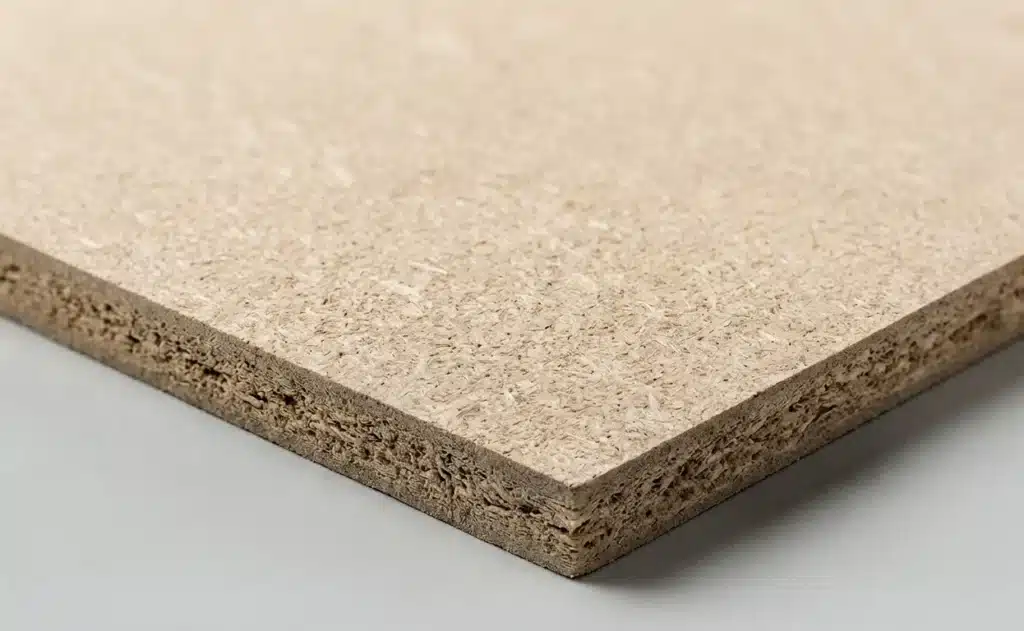
When it comes to baby nursery safety, choosing the right furniture is one of the most important steps in creating a non-toxic nursery. Furniture is often one of the biggest purchases for a baby room, but not all wood products are made the same.
Many budget-friendly dressers, shelves, and storage cabinets are made from MDF or particle board. These materials aren’t necessarily unsafe, but products that don’t meet formaldehyde emission standards may release higher levels of chemicals into indoor air.
Whenever I shop for nursery furniture, I look for products that clearly state compliance with CARB Phase 2 or EPA TSCA Title VI standards. If my budget allows, I also prefer solid wood or FSC-certified materials.
A beautiful dresser isn’t worth much if you don’t know what’s inside it. For me, creating a non-toxic nursery isn’t about buying the most expensive furniture—it’s about choosing products that meet recognized safety standards.
For parents who want to verify these requirements themselves, the U.S. EPA provides an official FAQ on Formaldehyde Standards for Composite Wood Products. It explains which products are covered, how compliance works, and what manufacturers must follow under TSCA Title VI.
**Unlike programs such as GREENGUARD Gold or OEKO-TEX, there isn’t a single standardized consumer-facing logo for CARB Phase 2 or EPA TSCA Title VI. Compliance is usually listed in the product description, specifications, or on the manufacturer’s label rather than displayed as a universal mark. Taking a few extra minutes to check these details is a simple way to improve baby room safety before bringing new furniture into your home.**
2. Don’t Stop at “Low-VOC” Paint
Painting my home completely changed the way I think about indoor air quality. After spending several hours painting a room, I noticed a strong odor and developed a headache. While I can’t say for certain that the paint was the cause, the experience encouraged me to learn more about VOC emissions, chemical exposure, and how building materials can affect the air inside our homes.
That research also changed the way I approach baby room safety. Before then, I assumed that choosing a paint labeled “Low-VOC” was enough. However, I soon discovered that “Low-VOC” doesn’t always mean a product has been independently tested for low chemical emissions after it has been applied indoors.
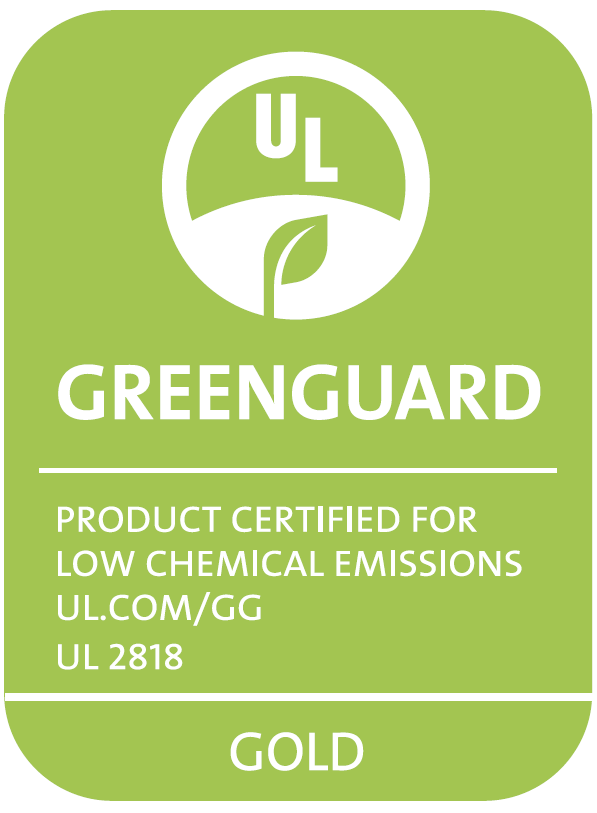
When I’m creating a non-toxic nursery, I now look for paints that carry GREENGUARD Gold certification. Unlike general marketing claims, GREENGUARD Gold certified products are tested to meet stricter chemical emission standards and are intended for environments where children spend long periods of time, including schools, daycare centers, and nurseries.
I also try to finish painting well before the baby will use the room. Even when using certified products, I make sure the room is well ventilated and allow the paint to fully cure before moving in furniture or letting anyone spend extended time inside. It’s a simple step, but one that can make a noticeable difference in indoor air quality.
For parents who want to learn more about this certification, GREENGUARD provides detailed information about how products are tested and what the Gold certification means for low chemical emissions. GREENGUARD Gold certification
Looking back, paint was one of the last things I thought about when planning a nursery. Now it’s one of the first items on my baby nursery safety checklist. Choosing the right paint may not be as exciting as picking furniture or decorations, but it’s one of the easiest ways to create a healthier, non-toxic nursery and improve overall baby room safety.
3. Pay Close Attention to Floor Mats, Rugs, and Bedding
Children spend much of their day crawling, playing on the floor, and putting their hands in their mouths. That makes flooring materials and bedding just as important as furniture.
Fortunately, many products today are safer than they were years ago thanks to stricter regulations. However, not every product follows the same standards, and some inexpensive textiles or foam mats may still contain substances such as phthalates or heavy metals.
For fabrics and bedding, I always check for OEKO-TEX Standard 100 certification. For children’s play mats and similar products, I also make sure they comply with CPSIA requirements.

It only takes a few extra minutes to check a product description, but it can make you feel much more confident about what you’re bringing into your home.
4. Don’t Forget About Furniture Tip-Over Safety
Many parents focus on chemical safety but overlook physical safety.
Dressers and bookshelves can become dangerous if they aren’t properly anchored to the wall. Even heavy furniture can tip over when children begin climbing drawers.
Whenever possible, I choose furniture that includes an anti-tip kit and complies with the latest ASTM stability standards. Installing the anchor only takes a few minutes and can significantly reduce the risk of tip-over accidents.

My Nursery Safety Checklist Before Buying Anything
Before purchasing furniture, paint, rugs, or other nursery essentials, I ask myself four simple questions:
- Does the furniture meet CARB Phase 2 or EPA TSCA Title VI standards?
- Is the paint GREENGUARD Gold certified?
- Do the textiles carry OEKO-TEX Standard 100 certification?
- Does children’s furniture include an anti-tip kit and meet current ASTM safety standards?
If I can’t easily find this information, I usually keep looking.
Creating a safe nursery isn’t about buying the most expensive products. It’s about understanding what you’re bringing into your home and choosing products that meet recognized safety standards. Spending a little more time checking certifications today can provide greater peace of mind for years to come.